



Root canals are a common dental procedure used to save teeth that are badly infected or decayed. Most people prefer to avoid the pain, cost, and time involved. With the right care and early action, you can reduce the risk of needing one.
What Is a Root Canal and Why Is It Important?
A root canal is needed when the soft tissue inside the tooth, called the pulp, becomes infected or inflamed. This can happen because of deep tooth decay, repeated dental procedures, a faulty crown, or a crack or chip in the tooth.
If the infection is not treated, it can spread and cause severe pain, swelling, or even a dental abscess. In these cases, root canal treatment removes the infection, relieves pain, and helps save the natural tooth.
If tooth pain, swelling, or deep decay is getting worse, learn how root canal therapy can help save your natural tooth and relieve infection.
How to Avoid a Root Canal
Most root canals can be avoided by protecting your teeth before decay or damage becomes serious. These simple habits can help keep your teeth strong, healthy, and free from infection.

1. Maintain Proper Oral Hygiene
Brushing twice a day with fluoride toothpaste and flossing daily are two of the most effective ways to prevent tooth decay and gum disease.
Good oral hygiene removes plaque, which is one of the main causes of cavities and dental infections. When plaque is left on the teeth, it can slowly damage enamel and allow bacteria to reach deeper layers of the tooth.
2. Schedule Regular Dental Checkups
Routine dental visits help your dentist find small problems before they turn into serious ones.
During a dental exam, dentist vaughan can check for cavities, cracks, gum problems, and early signs of infection. Professional cleanings also remove plaque and tartar buildup that brushing alone cannot fully remove.
Regular checkups make it easier to treat issues early, before decay reaches the inner part of the tooth.
3. Limit Sugary and Acidic Foods
Sugar feeds harmful bacteria in your mouth. Over time, this can lead to plaque buildup, cavities, and tooth decay. Acidic drinks, such as soda and sports drinks, can also weaken enamel and make your teeth more vulnerable.
You do not have to avoid these foods completely, but limiting them can make a big difference. Rinsing your mouth with water after eating or drinking something sugary or acidic can also help protect your teeth.
4. Use a Mouthguard When Needed
If you grind your teeth at night or play contact sports, a mouthguard can help protect your teeth from damage.
Grinding can wear down enamel, cause cracks, and put extra pressure on your teeth. Over time, these small injuries can allow bacteria to enter the tooth and cause infection.
A custom mouthguard from your dentist can help reduce the risk of tooth damage and protect your smile.
5. Treat Cavities Early
Small cavities are usually simple to treat with dental fillings. But when cavities are ignored, decay can spread deeper into the tooth.
Once bacteria reach the pulp, the tooth can become infected. At that point, a root canal may be needed to save the tooth.
If you notice tooth sensitivity, pain when chewing, or a dark spot on a tooth, book a dental appointment before the problem gets worse.
6. Consider Preventive Dental Treatments
Preventive treatments such as fluoride and dental sealants can help protect your teeth from decay.
Fluoride strengthens enamel and makes teeth more resistant to cavities. Dental sealants create a protective layer over the chewing surfaces of back teeth, where food and bacteria often collect.
These treatments are especially helpful for children, teens, and adults who are at higher risk of cavities.
Root Canal Treatment: What You Should Know
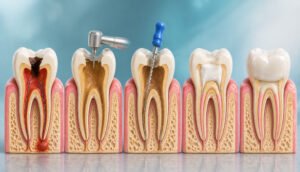
A root canal is a common dental procedure used to treat infection inside a tooth and prevent the need for extraction. It can relieve pain, remove bacteria, and restore normal chewing function.
Understanding the process, treatment options, and possible costs can help you make an informed decision and avoid unnecessary delays.
Choose a Qualified Dental Provider
Make sure your dentist has experience with root canal procedures and uses modern techniques for comfort and accuracy. A skilled dental provider can explain the process clearly and help you feel more comfortable before treatment.
Understand Your Treatment Options
Some teeth may need extra protection after root canal treatment. In many cases, a crown is recommended to restore strength and protect the tooth from cracking.
Your dentist will explain whether a filling, crown, or another restoration is the best option for your situation.
Ask About Costs and Coverage
Root canal costs can vary depending on the tooth, the level of infection, and the complexity of the procedure. Back teeth usually cost more because they have more roots and take longer to treat.
Before starting treatment, ask your dental clinic about pricing, insurance coverage, CDCP eligibility, or payment options.
Know What to Expect During Recovery
Mild discomfort or sensitivity after a root canal is normal. It usually improves within a few days with proper care.
Follow your dentist’s instructions, avoid chewing hard foods on the treated tooth, and attend any recommended follow-up appointments.
Do Not Delay Treatment
Ignoring a tooth infection can lead to severe pain, swelling, tooth loss, or spreading infection. Early treatment gives your dentist a better chance of saving the tooth and preventing further complications.
FAQs About Root Canals
Do Root Canals Hurt After Treatment?
Most people expect root canals to be painful, but modern dental treatment is much more comfortable than many patients think. During the procedure, the area is numbed, so you should not feel pain. After treatment, mild discomfort or sensitivity can happen for a few days. This is normal and can usually be managed with simple pain relief as recommended by your dentist.
If pain continues or becomes worse, contact your dental clinic for a follow-up visit.
How Long Do Root Canals Take?
The time needed for a root canal depends on the tooth and the severity of the infection. A simple root canal may take about 60 to 90 minutes. More complex cases may require two visits, especially if the infection is severe or the tooth has multiple roots.
Back teeth usually take longer because they have more canals to clean and seal.
How Much Do Root Canals Cost?
Root canal costs can vary based on several factors, including:
- The type of tooth being treated
- The number of roots
- The complexity of the infection
- The clinic location
- Whether a crown is needed afterward
In Canada, the cost can range from moderate to high depending on the case. This is one reason prevention is important. Avoiding a root canal can save both time and money.
Does CDCP Cover Root Canals?
The Canadian Dental Care Plan may cover root canal treatment in certain cases, but coverage depends on your eligibility, income level, and treatment requirements. Not all procedures are fully covered. Some treatments may involve co-payments, limits, or pre-approval.
Before starting treatment, ask your dental clinic to confirm your CDCP coverage and explain any out-of-pocket costs.
Do All Root Canals Need a Crown?
Not always, but many do. After root canal treatment, the tooth can become weaker because the infected inner tissue has been removed. A crown helps protect the tooth, restore strength, and reduce the risk of cracks.
Front teeth may not always need crowns, but back teeth often do because they handle more pressure when chewing.